Baikonur Cosmodrome
The world’s first and largest spaceport, where Sputnik and Yuri Gagarin launched from. Leased to Russia; visits require arranged tours.
About
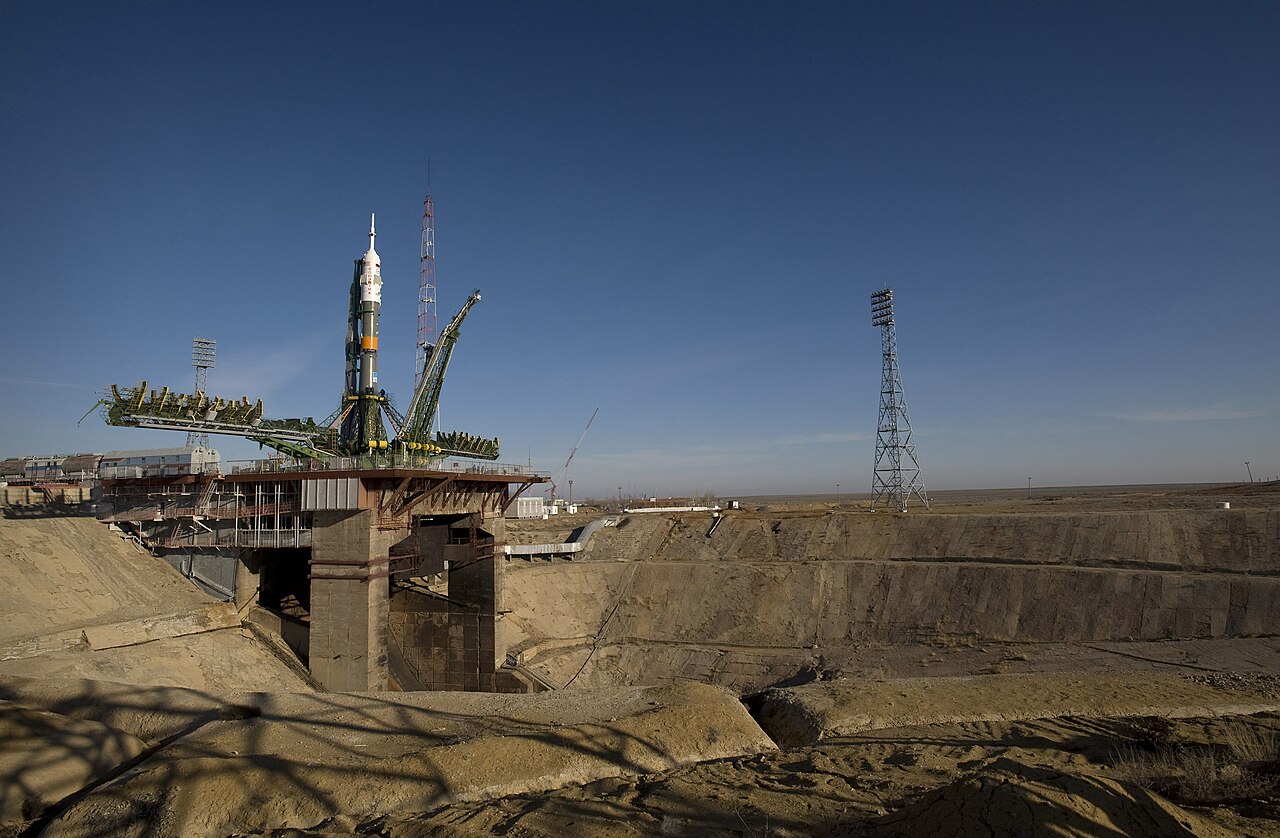
Baikonur is a huge complex in the dry steppe of southern Kazakhstan, with launch pads, assembly halls and tracking stations spread across a vast area. The nearby city is a Russian-run town where people who work for the space programme live.
Guided tours, usually timed around a rocket launch, visit the historic launch pad where Gagarin left Earth, museums and the hangar-like assembly buildings. Seeing a launch from a few kilometres away is a memorable experience, but it must be arranged weeks ahead.
History
Construction of the site began in 1955 as the Soviet Union’s main test range for long-range missiles, in a remote steppe area chosen for its flat terrain and sparse population. The Soviets named it after a mining town several hundred kilometres away, reportedly to mislead foreign observers about the real location. On 4 October 1957 an R-7 rocket launched Sputnik 1, the first artificial satellite, from here, and on 12 April 1961 Yuri Gagarin became the first person in space after taking off from the same pad, now known as Gagarin’s Start. After the Soviet Union collapsed, the site stayed in independent Kazakhstan, which leases it to Russia, with the agreement running to 2050. Russian Soyuz and Proton rockets still launch from here, and the spaceport has supported crews travelling to the International Space Station. A newer Russian cosmodrome has taken over some launches, but Baikonur remains a place of great historical importance.